
The Psychology of Monster Romance
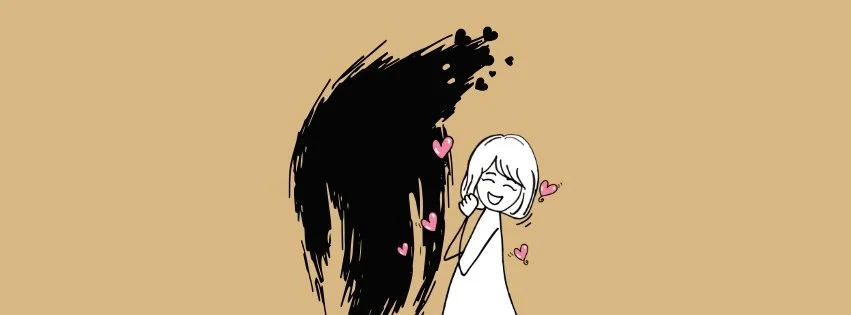
The Psychology of Monster Romances: Why We Crave the Beastly Heartthrob
Monster romances have clawed their way into the spotlight of popular fiction, blending the thrill of the unknown with the warmth of heartfelt connection. From timeless tales like Beauty and the Beast to modern gems such as Tiffany Roberts' Ensnared (my favorite monster romance)—where a human finds love with an alien arachnid-like being (Ketahn is so hot)—or Ruby Dixon's Ice Planet Barbarians series, featuring blue-skinned barbarians on frozen worlds, these stories captivate readers by pairing ordinary humans with sexy extraordinary creatures.
But what's the psychological draw? Let us explore the appeal through a psychological lens, grounded in real concepts like attachment theory and evolutionary psychology, while touching on cultural impacts, ethics, power dynamics, how these monstrous suitors diverge from human men, and the undeniable sex appeal.
The Allure: Escapism and Embracing the “Other”
At their core, monster romances tap into our deep-seated need for escapism. Psychologically, humans are wired for novelty—our brains release dopamine when we encounter something new and exciting, much like the rush from a rollercoaster or the honeymoon stage of a new relationship. In these stories, the monster represents the ultimate "other," a being far removed from everyday life, allowing readers to step outside societal norms without real-world consequences. Evolutionary psychology suggests this stems from an ancient drive to explore and adapt; just as our ancestors sought out diverse environments for survival, we now seek diverse fantasies for emotional fulfillment.
Take classics like Beauty and the Beast, where the beast's transformation symbolizes inner beauty over outward appearance. And let’s be honest—Belle totally wanted to bone the beast, not the human. She didn’t even know about the curse!
Modern iterations, such as Dixon's blue aliens who resonate with human mates through a mystical "khui," amplify this by offering perfect attunement—a soulmate— a stark contrast to the miscommunications in real relationships. These narratives appeal because they fulfill attachment needs: monsters often embody secure attachment figures, providing unwavering loyalty, obsession, and protection. In a world where human connections can feel fleeting, the monster's devotion feels like a balm, reducing anxiety and boosting self-esteem. It's not just fantasy; it's therapy in book form.
Cultural Ripples: Challenging Norms and Promoting Diversity
Culturally, monster romances are more than guilty pleasures—they're subversive forces reshaping how we view love and identity. In an era of increasing diversity and inclusion, these stories mirror societal shifts toward accepting differences, whether in race, gender, or ability. This aligns with social identity theory, which suggests that we form groups to build belonging, but expanding those groups reduces prejudice. By humanizing monsters, authors like Roberts in Ensnared—with its interspecies bond—encourage readers to empathize with the marginalized, fostering a broader cultural empathy.
These tales also critique toxic masculinity and patriarchal structures. Monsters often subvert traditional gender roles; a hulking creature might be gentle and nurturing, challenging the idea that strength equals dominance. This cultural work helps readers process real-world issues, like xenophobia or ableism, through metaphor. For instance, stories involving vampires or werewolves (think Twilight's Edward Cullen) explore immortality and isolation, reflecting modern loneliness epidemics. Although, calling vampires monsters is a stretch in my opinion.
Overall, monster romances promote a cultural narrative of love without borders, pushing back against homogeneity in media and encouraging growth through imaginative empathy.
Ethics and Power Dynamics: Navigating the Shadows
No discussion of monster romances is complete without addressing the ethical minefield, particularly power imbalances. Monsters are often physically superior—stronger, faster, sometimes immortal—which raises questions about consent and agency. From a psychological standpoint, this ties into power dynamics in relationships, where imbalances can lead to coercion or dependency. Ethically, authors must handle this carefully to avoid glorifying abuse. We need to remind ourselves of concepts like informed consent and healthy boundaries. (Not bashing dark romance. It’s not my cup of tea, but I’ve indulged here and there).
In well-crafted stories, these dynamics are explored thoughtfully. Dixon's barbarians, for example, emphasize mutual resonance and choice, turning potential predation into partnership. Stories like The Shape of Water delve into this by portraying a mute woman and an amphibious creature as vulnerable equals.
However, when power tips too far—say, a monster who could easily overpower their human lover—it risks normalizing unhealthy patterns. Readers might find appeal in the fantasy of surrender, but it's crucial to distinguish between consensual role-play and real exploitation. These narratives can even serve as ethical mirrors, prompting discussions on consent in our own lives, making them tools for cultural reflection rather than endorsement.
Diverging from Human Men: The Idealized Alternative
One of the most intriguing aspects is how monsters diverge from human men, often embodying traits that feel refreshingly unattainable in reality. Human partners come with baggage—flaws like inconsistency or emotional unavailability—rooted in our shared humanity. Monsters, by contrast, are blank slates for idealization. Projection plays a big role here; readers project desires onto these beings, creating perfect mates free from societal conditioning.
In Roberts' Ensnared, the spider-like alien offers intense protectiveness without the jealousy or pettiness that might plague a human suitor. Dixon's aliens provide raw, instinctual devotion, bypassing the games of modern dating. This divergence appeals to evolutionary drives for reliable providers, but with a twist: monsters aren't bound by human frailties like aging or infidelity. They represent a psychological upgrade—loyal, communicative (often telepathically), and singularly focused. It's a rebellion against the "divergence" of real men from romantic ideals, offering catharsis for those disillusioned with dating apps and ghosting. Frankly, if I could be with a monster who was all about me, I would.
The Sex Appeal: Danger, Exoticism, and Sensory Overload
Let's not skirt around the obvious: monster romances are steamy, and their sex appeal is a huge draw. This stems from the thrill of danger—our fight-or-flight response mixes with arousal, creating an intoxicating cocktail of lust, longing, and need. Evolutionary psychology links this to risk-taking; just as peahens choose flashy, "dangerous" peacocks, humans are drawn to the exotic.
(Think about the rise of masked men in TikTok. The women thirst over scenarios where these men in Ghostface masks kidnap them. I find the pandering to these women a bit uncomfortable, but to each their own.)
Physical differences amplify this: tentacles, scales, or extra appendages promise novel sensations, tapping into sensory curiosity.
In stories like Dixon's series, the aliens' unique anatomies (vibrating ridges, anyone? They’re vibrating phalluses) heighten eroticism, fulfilling fantasies of transcendence beyond human limitations. Classics like vampire lore add a bite of masochism, where surrender to the beast evokes submission without shame. Ethically, this is fine in fiction—it's about exploring desires safely. The appeal lies in liberation: monsters allow us to indulge taboos, boosting libido through novelty while reinforcing that love (and lust) can be monstrously good.
Conclusion: A Monstrous Mirror to Our Desires
Monster romances aren't just escapism; they're a playground where we explore identity, culture, ethics, and desire. From the devoted beasts of classics to the alien lovers in Roberts' and Dixon's works, these stories appeal by offering idealized alternatives to human flaws, challenging cultural norms, and navigating complex dynamics with a steamy edge. They remind us that love's true monster might be our own unmet needs—and in embracing the beast, we find a bit more humanity. If you're diving into this genre, start with one of these; who knows, you might uncover your own inner romantic beast.
Written by Cassandra M. Chimely
